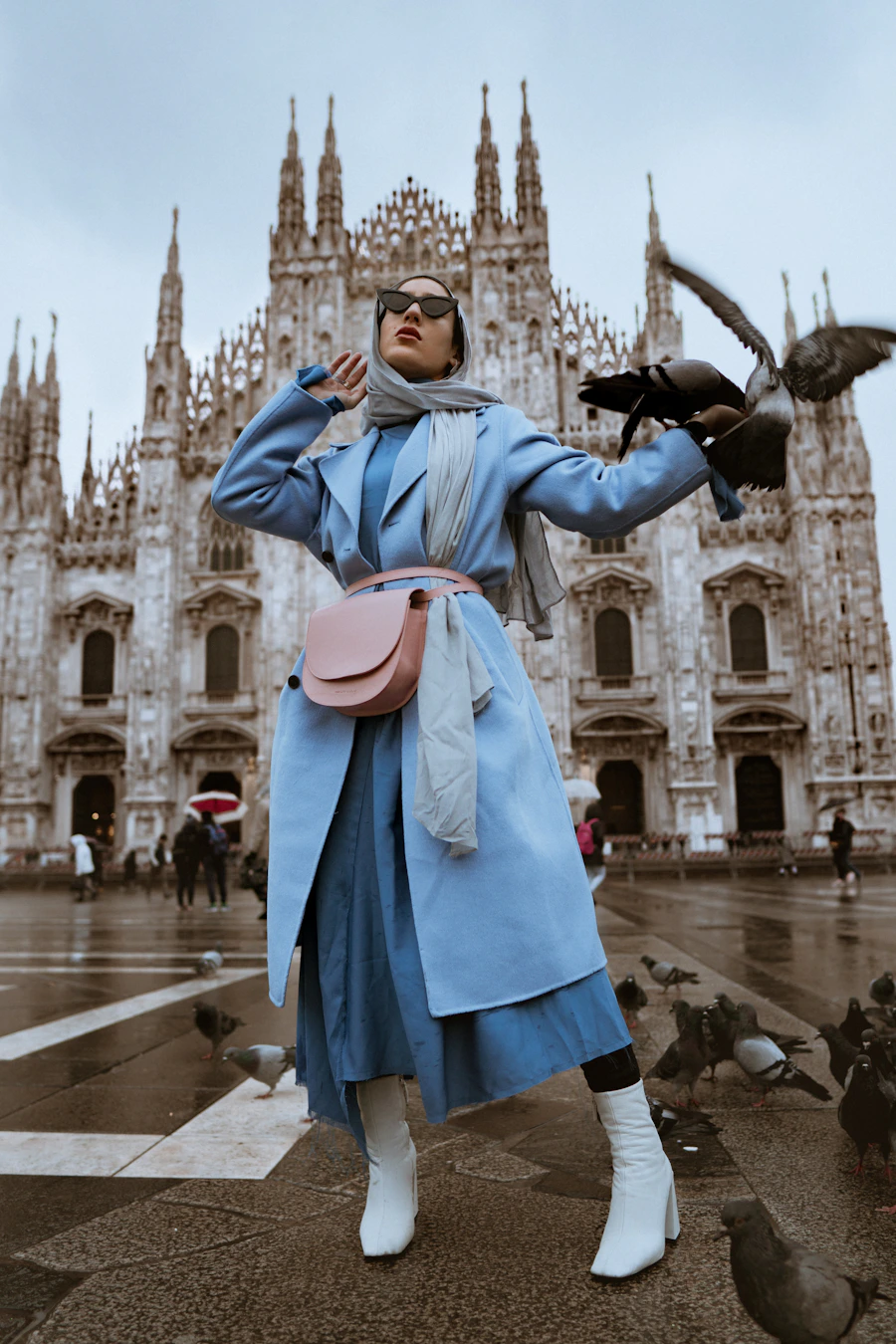
Creating outfits for different seasons does not mean replacing your entire wardrobe every few months https://orslow.co/ . Many everyday clothing pieces can remain useful throughout the year when they are combined with the right layers and materials.
The relaxed approach associated with orSlow offers inspiration for building practical outfits around familiar clothing. Simple shirts, denim, cotton trousers, and useful outerwear can create a dependable foundation for changing weather.
The key is to understand how different fabrics, colors, and layers work together. With a few thoughtful choices, it becomes easier to stay comfortable without making everyday dressing complicated.
Build a Wardrobe That Adapts to the Weather
A seasonal wardrobe should be flexible rather than completely different from one part of the year to another. Start with clothing that can be worn in multiple combinations. Neutral T-shirts, button-up shirts, relaxed trousers, and comfortable denim are useful starting points.
Think about the weight of each garment. Lightweight fabrics are generally more comfortable in warm conditions, while heavier materials and additional layers can help when temperatures fall. Choosing pieces with practical fits also makes layering easier.
Spring: Choose Lightweight Layers
Spring weather can change throughout the day, so flexible clothing is especially useful. A cotton shirt worn over a basic T-shirt can provide an extra layer without feeling too heavy.
Lightweight jackets are another practical choice. A simple chore jacket or casual overshirt can add structure to an outfit while remaining easy to remove when the weather becomes warmer.
For spring colors, consider olive, beige, navy, cream, and light blue. These shades work naturally with denim and neutral trousers.
Summer: Keep Outfits Simple and Breathable
During warmer months, comfort should be a priority. Choose lightweight shirts, breathable cotton garments, and trousers that allow comfortable movement. A relaxed fit can help clothing feel less restrictive during hot days.
Plain T-shirts and short-sleeved shirts are easy to combine with cotton trousers or casual shorts. Light shades such as white, sand, pale blue, and soft grey can create a fresh everyday look.
Avoid adding unnecessary layers when temperatures are high. Instead, focus on a few well-fitting pieces that are comfortable enough for daily activities.
Autumn: Bring in Textures and Jackets
Autumn is a good time to introduce heavier materials and more noticeable textures. Denim jackets, canvas outerwear, and long-sleeved shirts can provide warmth while keeping outfits relaxed and practical.
Earthy colors work particularly well during this season. Olive, brown, charcoal, rust, and dark navy can be combined with lighter shirts to create balanced outfits.
Try wearing a simple shirt under a jacket with straight-leg trousers. This combination is easy to adjust and works well for casual everyday situations.
Winter: Use Comfortable and Warm Layers
Winter outfits benefit from thoughtful layering. Start with a comfortable base layer, add a shirt or knitwear, and finish with an outer jacket suitable for the weather.
Heavier cotton garments, warm knitwear, and structured jackets can make a practical combination. Choose layers that allow enough movement instead of wearing several pieces that feel restrictive.
Darker colors such as charcoal, navy, deep olive, and brown are easy to combine during colder months. A neutral base also makes it simpler to use the same trousers with different tops.
Keep Your Favorite Clothing Useful All Year
Some garments can move between seasons with very little effort. A pair of dependable jeans, for example, can be worn with a lightweight shirt in spring and a heavier jacket in autumn. Neutral trousers can also work with both summer shirts and winter knitwear.
Instead of buying separate outfits for every season, look for pieces that can be styled in different ways. This approach helps reduce unnecessary purchases and keeps your wardrobe easier to organize.
Simple Seasonal Outfit Combinations
A few reliable combinations can help make seasonal dressing more straightforward. Adjust the fabric weight and outer layer depending on the temperature and your daily plans.
- Spring: Cotton overshirt, plain T-shirt, straight denim, and casual shoes.
- Summer: Lightweight short-sleeved shirt, relaxed cotton trousers, and simple sneakers.
- Autumn: Chore jacket, long-sleeved shirt, olive trousers, and sturdy footwear.
- Winter: Warm knitwear, practical outer jacket, dark denim, and comfortable boots.
These combinations are starting points rather than strict rules. You can adjust colors, fits, and footwear to match your personal preferences and everyday routine.
Take Care of Clothing Between Seasons
Seasonal changes are also a useful opportunity to organize your wardrobe. Clean garments according to their care labels before storing them, and make sure they are completely dry.
Keep frequently worn items easy to reach and store heavier seasonal clothing neatly. Check buttons, seams, and zippers before putting garments away so small issues can be repaired before the next time you need them.
Final Thoughts
Everyday workwear can remain useful throughout the year when clothing is chosen with flexibility in mind. Lightweight shirts, denim, relaxed trousers, and practical jackets create a strong foundation for seasonal outfits.
Rather than changing your entire wardrobe with every season, learn to combine familiar pieces with suitable fabrics and layers. This simple approach makes everyday style more comfortable, practical, and consistent.